On this page
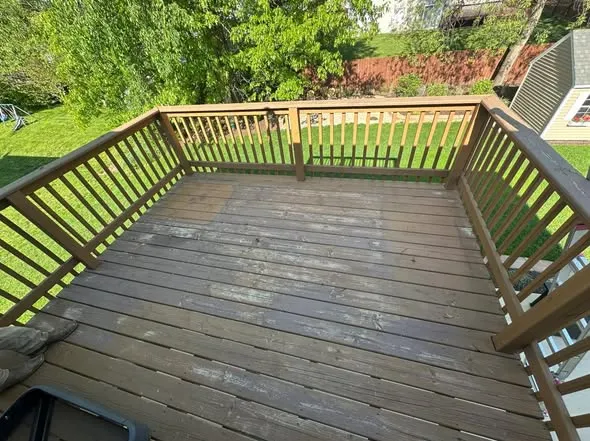
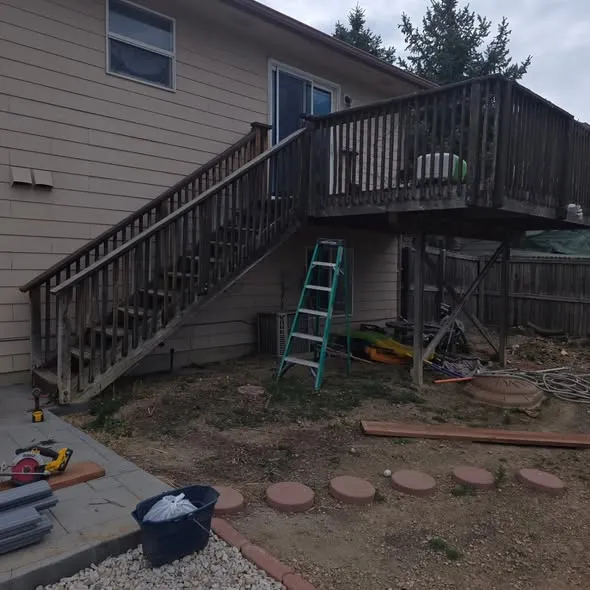
Some decks cannot be saved, and pretending otherwise just wastes money. When rot has spread through the joists, the ledger, and the posts, or when the deck was never built right in the first place, replacing it is the safe call. Deck replacement starts with tearing out the old deck and ends with a solid new one in the same spot.
We are a repair-first company, so we do not push replacement. But we do not patch a deck that is unsafe either. If your deck needs to come out, we will show you exactly why.
Signs it is time to replace
Replacement usually makes sense when we find several of these at once:
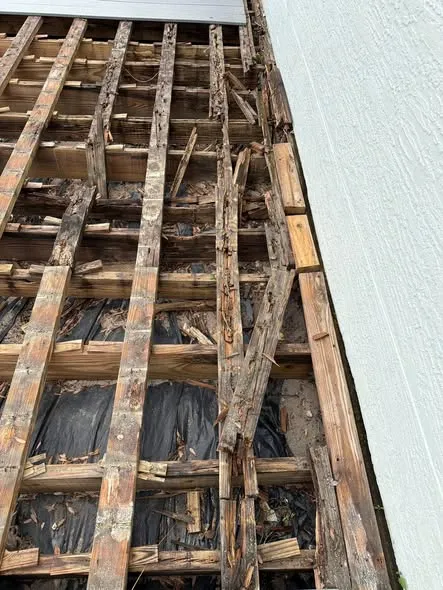
- Rot in many joists, not just a few
- A ledger that is rotted, pulling away, or nailed to the house without flashing
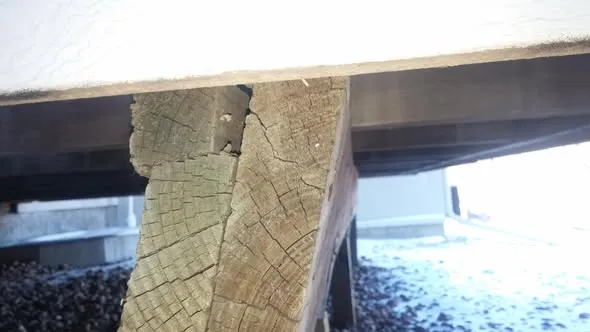
- Posts rotted at the ground or buried directly in the soil
- Footings that are too shallow and have heaved or sunk
- Framing that is undersized or spaced too far apart for safe use
- A railing and stairs that would all need to be rebuilt anyway
When only one or two of these show up, a repair or deck resurfacing may still be the better value. We will lay out both options in your written estimate.
How a deck replacement works
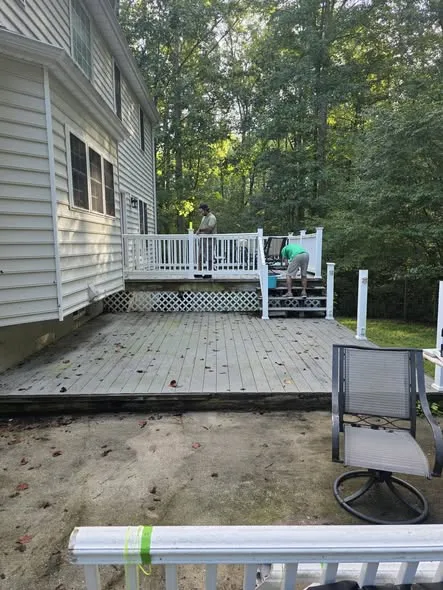
First comes demolition. We take the old deck apart, pull the posts, and deal with the old footings, then haul everything away. Old decks create a surprising amount of debris, often a full trailer load.
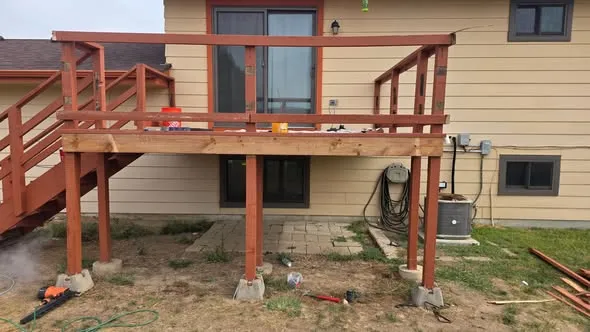
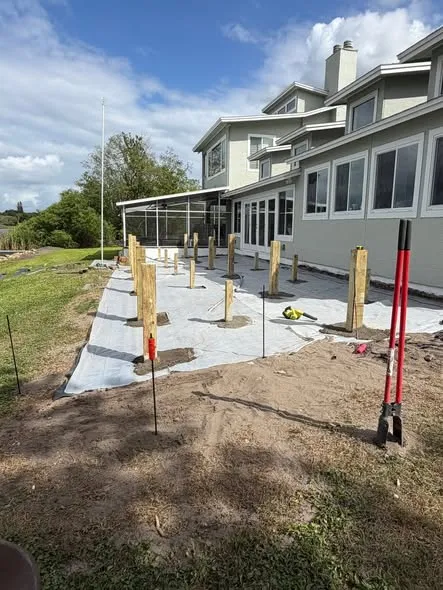
Next is the new foundation. Footings are dug to at least 30 inches below grade, the frost depth set by Greeley’s code, and posts stand on concrete with metal bases so they stay dry. The new ledger is bolted to the house and flashed so water runs away from your wall instead of behind the deck.
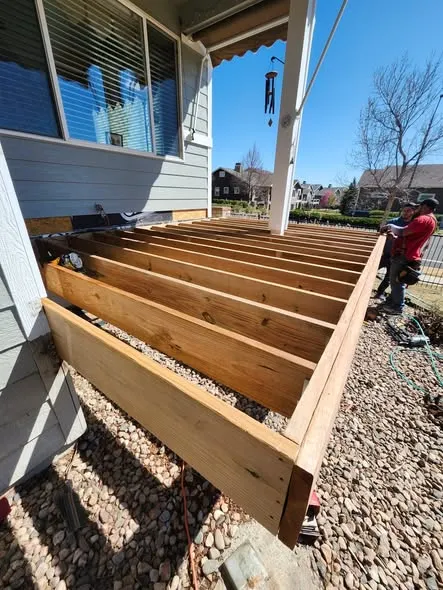
Then we frame the deck with properly sized joists and beams, add joist tape, and install the boards, stairs, and railing. The rebuilt deck meets the code in effect today, including guards on decks 30 inches or more above grade and balusters close enough that a 4-inch ball cannot pass through.
Permits
In Greeley, any deck attached to the house needs a building permit, and so does any deck over 30 inches high or larger than 200 square feet. The city enforces the 2021 International Residential Code. Nearby towns like Windsor and unincorporated Weld County have their own building departments and rules. We handle the permit process for your address.
Choosing materials for the rebuild
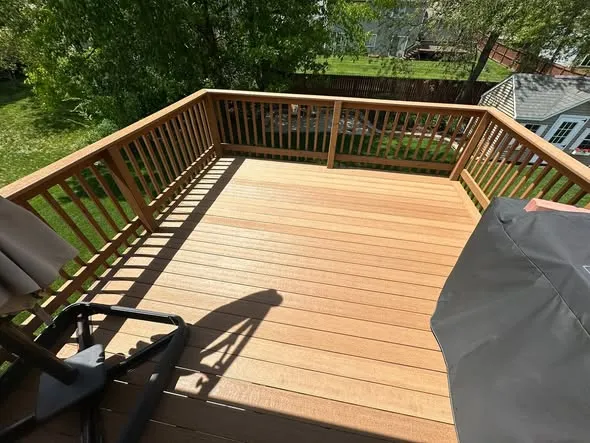
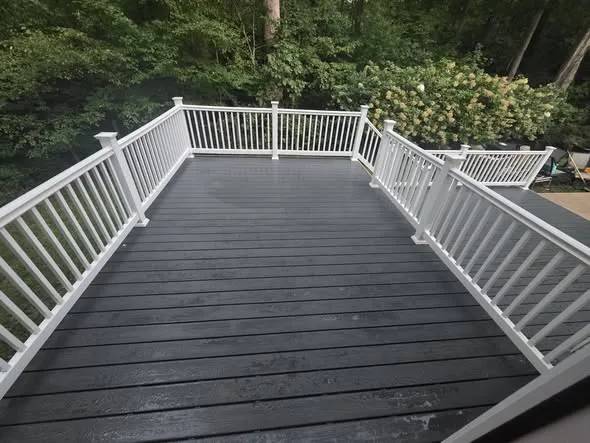
Most of our replacements use pressure-treated framing with a choice of pressure-treated, cedar, or composite boards on top. Composite costs more but skips the yearly staining that Colorado sun demands from wood. We will walk you through the trade-offs so the rebuilt deck fits how you use it and how much upkeep you want.
If you plan to add a hot tub someday, say so before the rebuild. A hot tub needs its own framing and footings, and it is much easier to plan for now than to add later.
Local tip
Removing a deck for good
Sometimes the right answer is no deck at all. If you want the old deck gone to make room for a patio or lawn, we take it down, pull the posts and footings, and haul away every board.
What to expect
Call, text, or send the form, and we reply within one business day. We inspect the old deck, explain what we found, and give you a written estimate. If replacement is the right call, we schedule the demolition, pull any needed permit, and rebuild.
We replace and rebuild decks in Greeley, Evans, Windsor, Johnstown, Mead, Berthoud, and the towns in between.