On this page
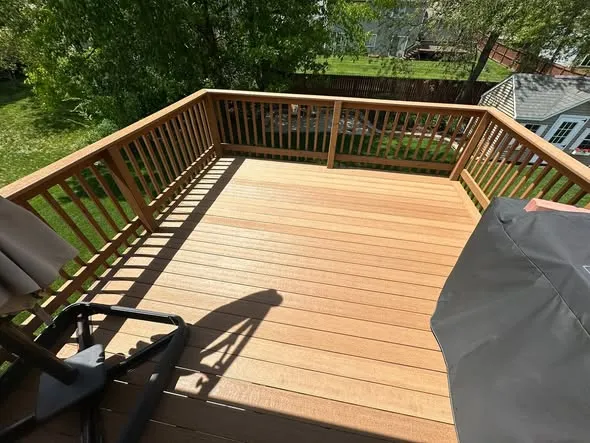
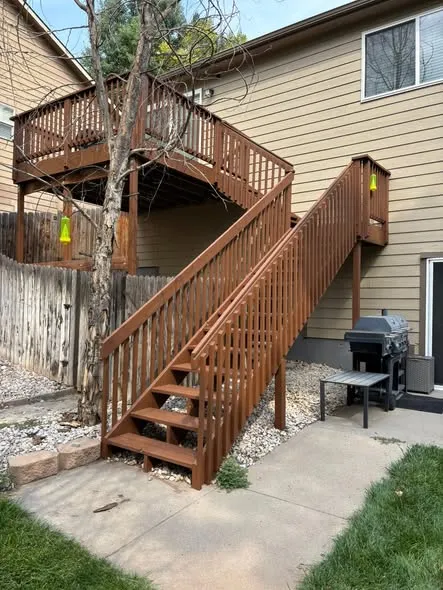
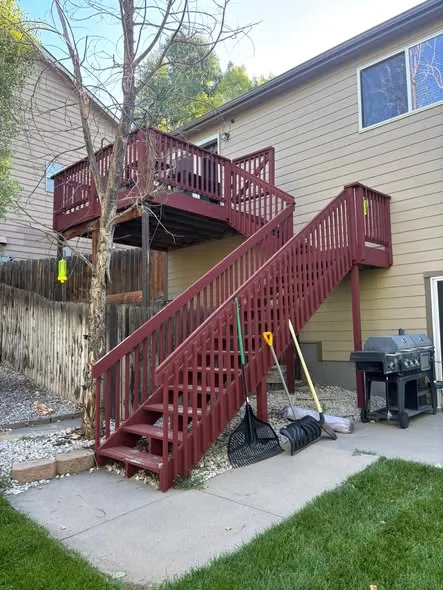
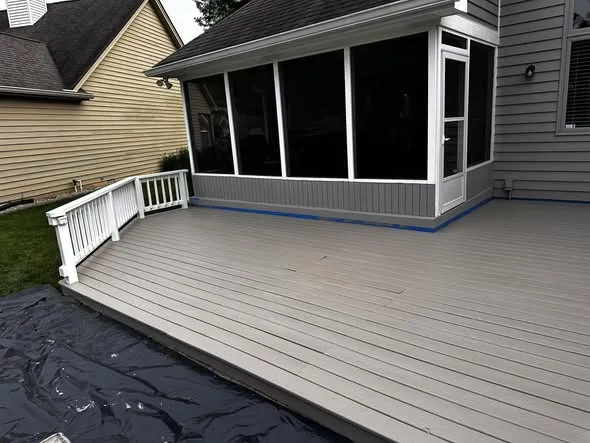
A gray, fuzzy, or blotchy deck is not always a failing deck. Often the wood is fine and the finish is simply gone. Deck staining brings back the color and, more important, protects the wood from the sun and water that break it down.
Greeley is hard on deck finishes. At about 4,700 feet, the sun is intense and the air is dry. Winter brings roughly 35 inches of snow and plenty of freeze and thaw. Hail knocks holes in the finish during summer storms. A stain that might last years somewhere milder can fade here much faster, especially on the boards and rails that face south and west.
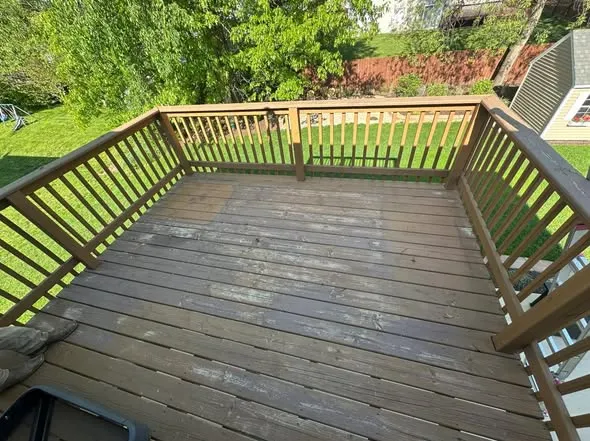
Signs your deck needs stain
Here is what to look for:
- Gray or silver wood that feels fuzzy or rough
- Water that soaks in instead of beading up on the surface
- Peeling or flaking patches, often where solid stain or paint trapped moisture
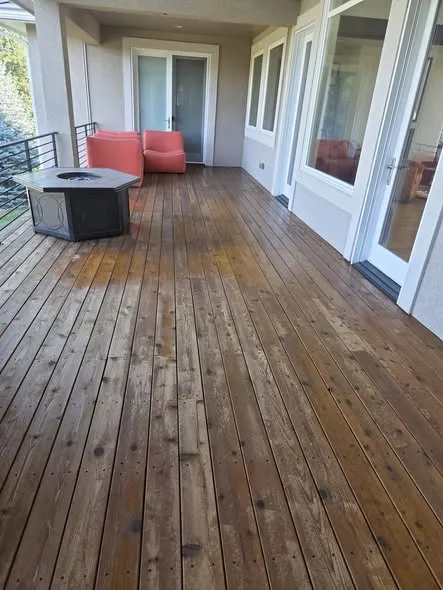
- Blotchy color where two different stains were layered on each other
- Black or green spots in shady, damp areas
Prep is the whole job
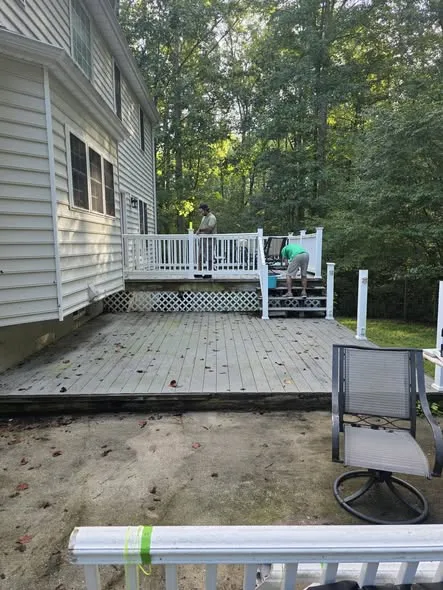
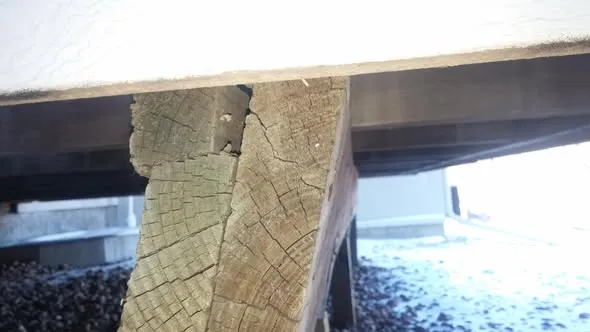
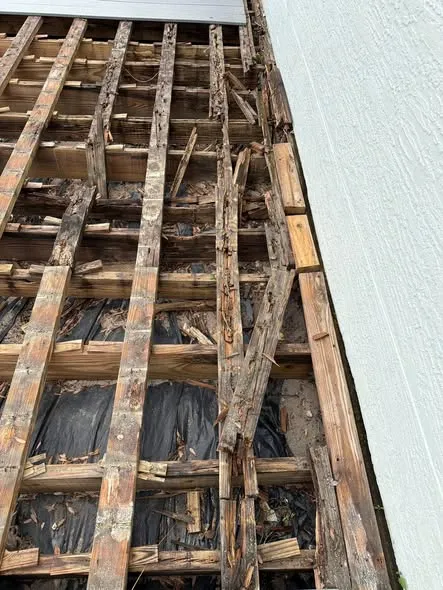
A great stain on a poorly prepped deck will fail. Most of our time goes into getting the wood ready. First, we check the deck and replace any boards that are too soft or split to hold a finish. Then we clean the wood to remove dirt, gray fibers, and mildew.
If there is old stain or paint, it has to come off. Stain applied over a failing coating, or a new color layered on an old one, gives you the blotchy, two-tone look above. We strip old finishes and then sand as needed so the surface is smooth and open. Last, we let the wood dry fully. Stain on damp wood does not soak in, and it will not last.
Choosing a finish
The chart below compares the three main options. For most Greeley decks, a semi-transparent stain is the best balance. It adds color and sun protection while letting the wood grain show. Solid stain hides more wear and blocks more sun, which makes it a good match for older, weathered wood, but it needs careful prep so it does not peel. Clear sealers keep wood looking natural but offer the least protection from the sun.
Applying the stain
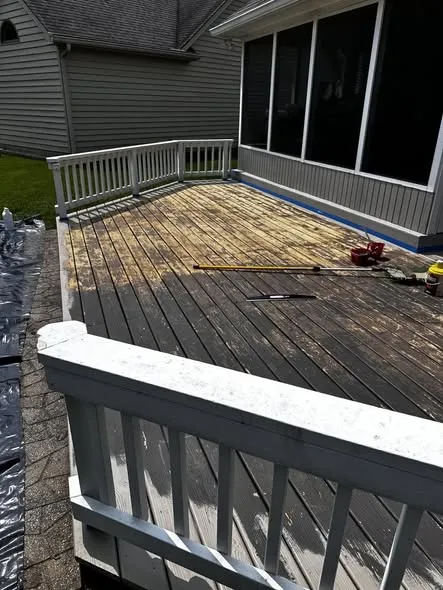
We apply stain in dry, mild weather, when the wood and air are within the range the stain maker calls for. Boards get an even coat, with attention to end cuts, rails, and stair treads, where water gets in first. We keep stain off your siding, patio, and plants, and we tell you how long to wait before walking on the deck and putting the furniture back.
How often to restain
There is no single answer, because sun, shade, and foot traffic vary. Here, south- and west-facing decks usually need attention sooner. A simple test helps: sprinkle water on the boards. If it beads, the finish is still working. If it soaks in and darkens the wood, it is time to plan a refresh.
Spring and fall are the best times to stain in Greeley. Summer afternoons can be too hot for stain to soak in, and winter nights are too cold for it to cure.
Local tip
Staining new wood
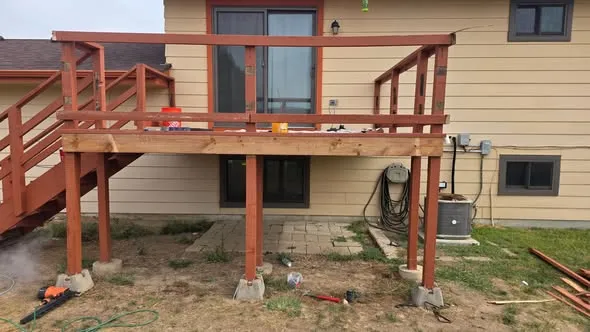
New pressure-treated lumber is often wet from the treatment. It needs time to dry before it will take stain. We can tell you when your new boards are ready and come back to finish them.
What to expect
Call, text, or send the form with a few photos, and we reply within one business day. We look at the deck, explain the prep it needs, and give you a free written estimate. When the job is done, the deck is clean, protected, and ready to use.
We stain and seal decks in Greeley, Evans, Windsor, Severance, Eaton, Kersey, and the nearby towns.